
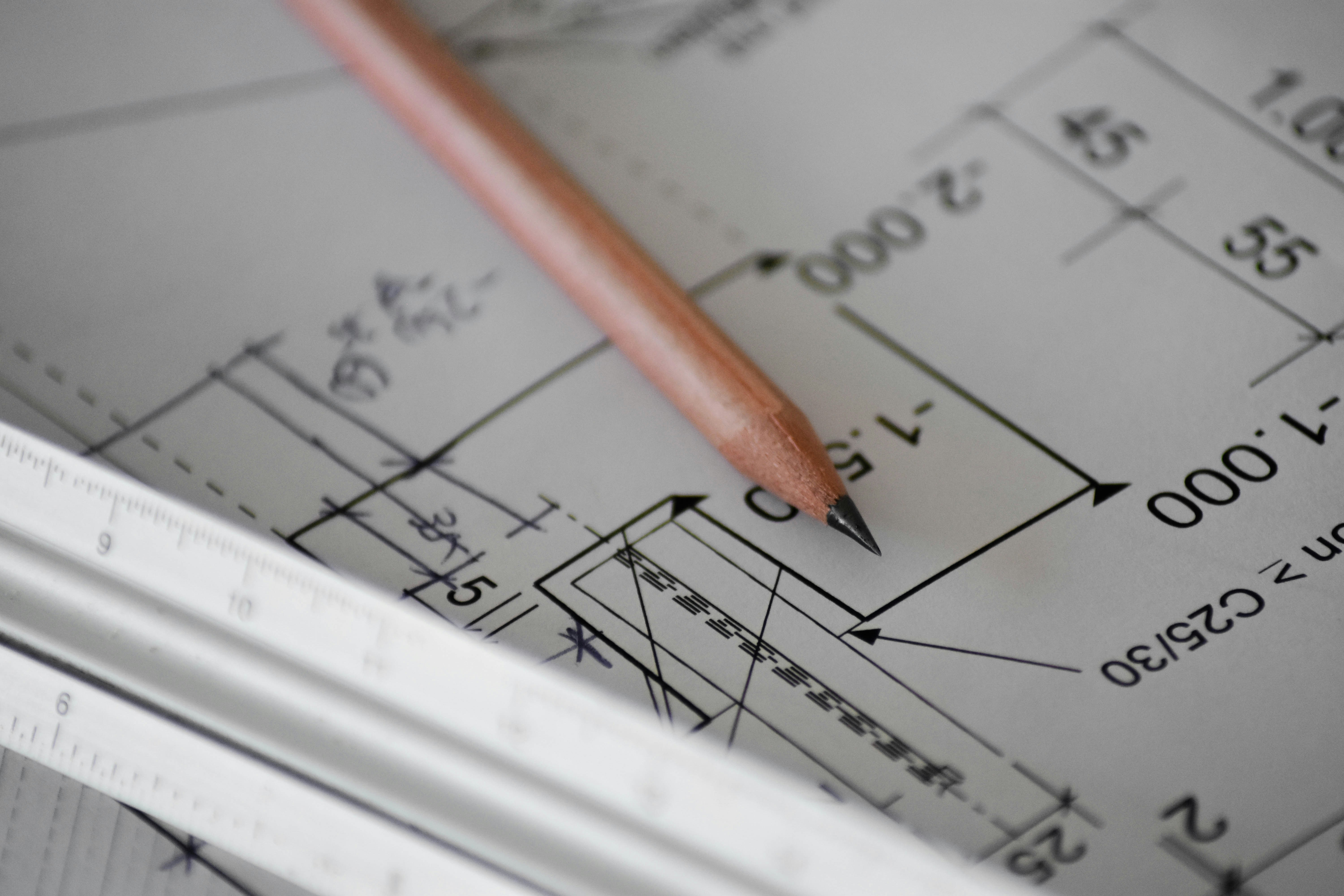
A small difference in size can turn what appears to be a simple home repair into a difficult and expensive custom project.
Homeowners are sometimes surprised when a contractor cannot simply purchase the closest available product and cut it to fit. In some situations, that is possible. However, many materials manufactured today are difficult and risky to modify after they leave the factory.
Understanding that risk helps explain why fewer contractors offer this kind of work and why a properly manufactured custom-size product can cost significantly more than a standard one.
Older homes do not always fit today’s standards
Many older homes were built using dimensions, materials, and construction methods that differ from the standards used today. Some components were made or adjusted specifically for the house.
When those components eventually need replacement, the original size may no longer be readily available.
A modern replacement may be slightly too wide, too tall, too thick, or designed for a different type of opening. Although the difference may seem small, even half an inch can create a serious fitting problem.
The available options may include:
- Modifying a standard product
- Altering the existing opening
- Repairing and preserving the original component
- Fabricating a replacement from suitable raw material
- Ordering a custom-size product from the manufacturer
Each option has different costs, limitations, and risks.
Many modern materials are difficult to cut
Standard products are often designed to be installed at their manufactured size. They are not necessarily designed to be cut or reshaped at the job site.
Many modern products use finished surfaces, thin outer layers, molded skins, laminates, composites, fiberglass, veneers, or engineered cores. These materials may be durable during normal use but brittle along a cut edge.
Even with the correct blade and a very cautious cutting method, the surface can chip, splinter, crack, peel, or break unexpectedly. The damage may extend into the visible part of the product.
The modification may still be technically possible, but possible does not mean predictable.
With traditional solid wood, I may be able to repair a small defect or refinish the cut area. With some manufactured products, damage to the finished surface cannot be repaired well enough to produce an acceptable result.
If a chip or crack happens, I may have no practical way to correct it. The only solution may be to purchase another product and start again.
Why I am cautious about offering these modifications
Before accepting this type of work, I must consider more than whether I can physically make the cut.
I also have to consider:
- How likely the material is to chip or crack
- Whether the cut edge will remain visible
- Whether the internal construction will be weakened
- Whether the modification could affect the product’s performance
- Whether cutting it may affect the manufacturer’s warranty
- Whether the material can be repaired if something goes wrong
- Who will be responsible for replacing an expensive product if it fails during modification
A contractor can use experience, proper tools, tape, scoring methods, supports, and careful cutting techniques to reduce the risk. However, those precautions cannot always eliminate it.
This creates a difficult situation. The customer may reasonably expect a clean, professional result, but the contractor is being asked to accept responsibility for a material whose behaviour cannot be fully controlled.
For that reason, I do not like to offer certain modifications when the possibility of irreversible damage is too high. This is not because the work is completely impossible. It is because I cannot confidently guarantee the result.
Sometimes the most responsible decision is to decline a risky field modification and recommend a properly manufactured custom-size product.
Why factory-made custom sizes cost more
Factories achieve lower prices by producing standard items repeatedly and in large quantities. The machines, cutting patterns, material requirements, packaging, and quality-control processes can remain consistent from one product to the next.
The setup cost is distributed across hundreds or thousands of identical items.
A custom-size order interrupts that efficient system. Depending on the product and manufacturer, the order may require:
- Reviewing and confirming individual measurements
- Preparing separate drawings or production instructions
- Changing machine settings or tooling
- Producing a very small batch—or only one item
- Using additional labour or manual processes
- Performing individual quality-control checks
- Creating different packaging
- Separating and tracking the order through production
- Accepting greater responsibility for a product that may be difficult to resell
I do not know the exact production system used inside every factory. However, the basic issue is clear: the manufacturer must perform additional work for one individual order, while a standard product benefits from repetition and mass production.
That is why a small change in dimensions can produce a surprisingly large increase in price.
The customer is not paying only for a little more or less material. Much of the extra cost comes from changing the normal production process.
The least expensive product is not always the least expensive solution
A standard product usually costs less to purchase. However, it may require major changes to the existing opening, surrounding trim, wall finish, siding, flooring, or framing.
A custom-size product may have a much higher purchase price but reduce the amount of demolition and reconstruction required during installation.
Therefore, I compare the complete project—not only the price of the product.
In some cases, carefully modifying a standard product is still reasonable. In others, adjusting the opening is the most practical solution. Sometimes repairing the original component provides better value. When the modification risk is too high, a factory-made custom product may be the safest choice despite its higher price.
How I approach custom-size work
When I encounter a non-standard opening or component, I consider several possible solutions:
- Can the original component be repaired safely?
- Is there a standard product that already fits?
- Can the opening be adjusted without causing excessive damage?
- Can a suitable replacement be fabricated from workable material?
- Can an available product be modified with an acceptable level of risk?
- Should the replacement be manufactured in the correct custom size?
My goal is not simply to find a way to make something fit. My goal is to find a solution that I can complete responsibly and that the customer can rely on afterward.
Custom-size work often looks simple once it is finished. What the completed project does not show is the measuring, research, sourcing, risk evaluation, careful handling, and problem-solving required to achieve that result.
That invisible work—and the responsibility attached to it—is a major part of the cost.